
Uluru, also known as Ayers Rock, is a remarkable natural feature in the heart of Central Australia and a profoundly significant cultural and spiritual symbol for Aboriginal tribes. Uluru-Kata Tjuta National Park houses this iconic sandstone formation, which displays many indigenous art forms reflecting the Australian culture and spiritual beliefs of the Aborigines. The article discusses complex artistic designs at Uluru, their meanings, cultural values, and what they tell about Australia’s Anangu people.
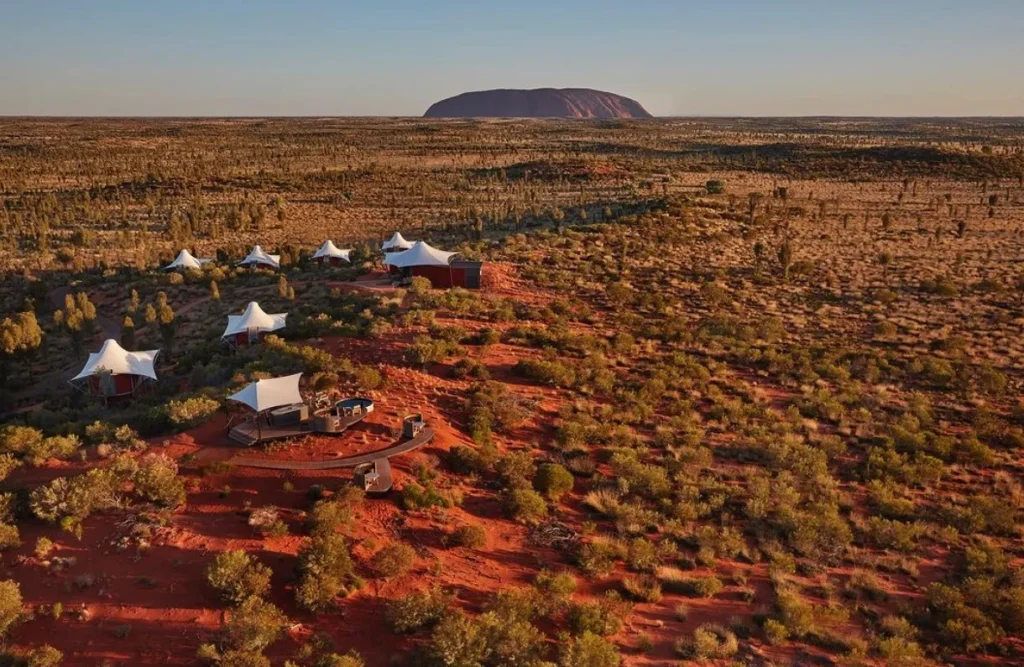
Uluru and Cultural Landscape
Uluru is located deep in central Australia and is an awe-inspiring testament to Aboriginal culture’s resilience. Paintings, etchings, and wood carvings done on rocks dating back thousands of years adorn these formations’ rocky surfaces as signifiers of prolonged human habitation and religious importance.
Rock Art in Aboriginal Culture: Myths
Rock art in the Uluru area is ornamental and heavily laden with cultural and spiritual significance. These align with Tjukurpa aboriginal stories, ancient stories about creation according to Indigenous Australians that explain how everything started, including the laws governing them. All such paintings and engraving sculptures are fragments of that broader creation story as they trace their lineage through the traditional land, visiting various places across it.

Exploring the Art Sites: A Journey into Ancient Traditions
There are many distinct rock shelters around the area where visitors can view fantastic rock paintings. Park rangers or aboriginal guides who offer guided Uluru 3 day tour can explain what these words mean and why they are important in their cultures.
Maruku Arts: Preserving & Promoting Indigenous Art
Maruku Arts is an Aboriginal-owned and operated art centre that is key in conserving traditional Aboriginal arts while promoting contemporary Indigenous artists. It showcases traditional woodwork, canvas paintings, carving, and other traditional arts and offers artist-in-residence programs that help keep ancient customs alive.
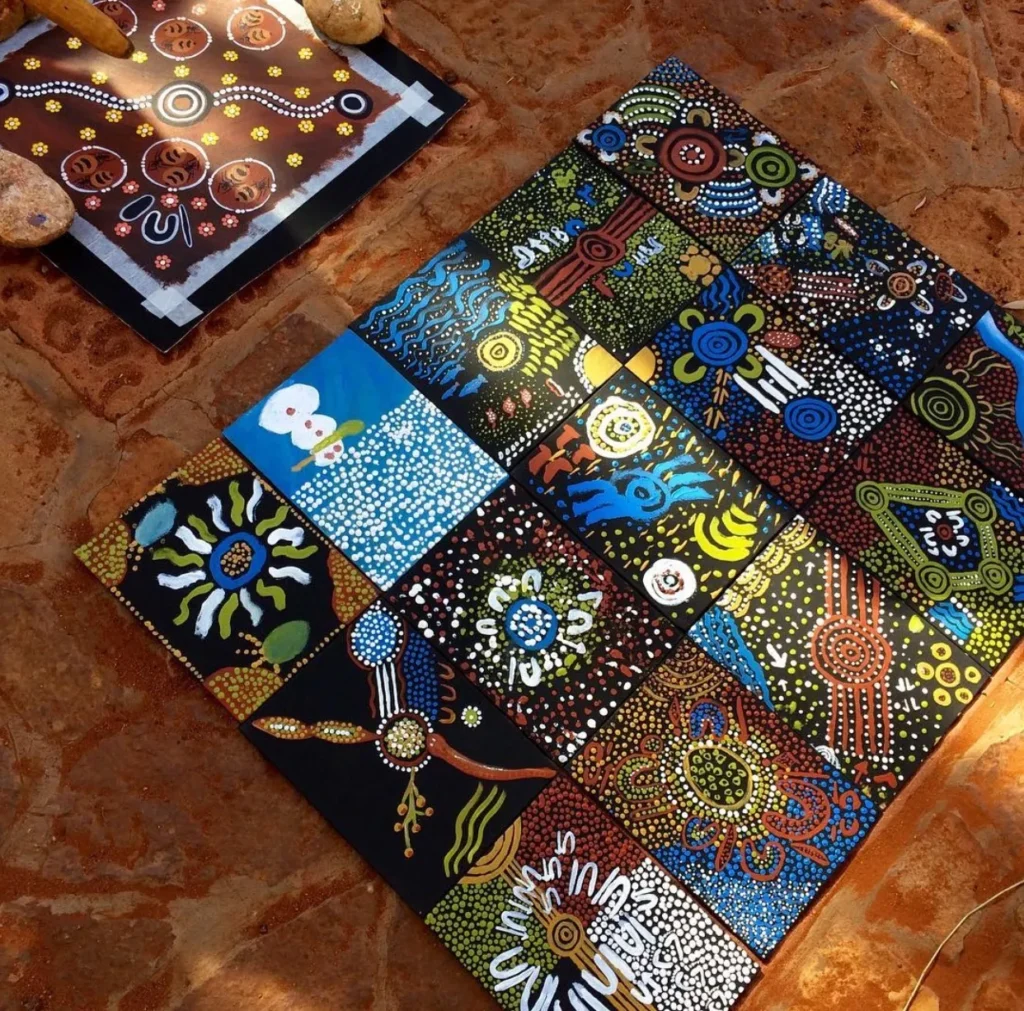
Techniques and Materials Used in Traditional Aboriginal Art
In their paintings, Uluru Aboriginal artists use naturally occurring minerals like ochre and iron-stained clays “mixed with animal fat.” These materials are sourced directly from the land, creating a solid connection between the artwork and its environment.
Walkatjara Arts: A Community Initiative
Local Indigenous artists create and exhibit authentic artwork at Walkatjara Arts of the Uluru-Kata Tjuta Cultural Centre. This cultural centre is where artists sell their art and a learning space that teaches visitors about the various techniques employed in creating it and explains the art stories behind it.
Cultural Tours and Experiences
Uluru offers a range of Aboriginal experiences that allow visitors to engage with the local community. Some of these include:
- Guided walks around the rock, where stories of the Tjukurpa are shared.
- Cultural workshops that involve traditional painting, wood carving, and even participating in cultural dances.
- Guided by Aboriginal people, our Uluru tours offer an authentic exploration of the local area, providing deep insights into the cultural and historical significance of this sacred site.
Protection & Preservation of Sacred Sites
Strict guidelines by Parks Australia and Indigenous communities have protected sacred sites around Uluru. The guidelines have upheld the physical integrity of artistic works while adhering to spiritual laws governing these holy spaces.
Role of Visitor Information Centres
The Uluru-Kata Tjuta Visitor Information Centre and other local centres educate tourists on the cultural importance of Uluru and how to behave correctly. These places offer one-on-one travel advice and provide detailed information about Aboriginal culture and art at Uluru.

Art Connecting with Indigenous Communities
Art at Uluru is a gateway into the world of the indigenous people of Northern Australia. Through art, visitors better understand Aboriginal ancient and present cultures and age-old traditions.
FAQ
Can I take photographs of rock art?
Specific sites have photography bans because they are considered sacred. Always ask park staff or your guide before you visit.
How do I buy real aboriginal art at Uluru?
Authentic pieces can be bought directly from community art centres such as Maruku Arts and Walkatjara Arts. These organizations guarantee their authenticity while also supporting the local communities.
Are there any particular times of the year considered best for visiting Uluru for cultural experiences?
While it is possible to visit Uluru throughout the year, it is more pleasant to do outdoor activities involving cultural exploration from May through September, when the temperatures are cooler.
What do Aborigines gain from tourism at Uluru?
Tourism provides employment opportunities to Aboriginal people, such as acting as tour guides, facilitating cultural workshops, or selling Aboriginal artwork. It also helps raise awareness about Aboriginal culture and heritage, fostering increased respect.
What is the best tour to see Aboriginal arts?
4 day Uluru tour from Alice springs is one of the best trips to take when you want to get into Aboriginal arts. This tour not only provides an opportunity to see real aboriginal art but also enables the visitors to understand about the drawing techniques and stories behind the works done by indigenous Anangu artists themselves as well. Participants are even able to do their own dot painting thereby making it a highly engaging and informative experience for them.